How Screen Time Affects Children’s Eyesight: The Science Behind Eye Strain
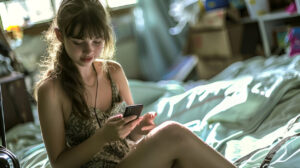
In 2026, screens are everywhere. From educational tablets at school to gaming consoles at home, our children’s eyes are working harder than ever before. Recent health reports have highlighted a concerning trend: children’s eyesight is declining globally, with a significant rise in cases of myopia (nearsightedness). The primary culprit? Increased screen time and a lack of “long-distance” visual engagement.
As parents, we want our children to benefit from technology, but not at the cost of their physical health. At Kids Arena Marbella, we are passionate about holistic child development. We believe that balancing digital engagement with active play is the secret to keeping young eyes—and bodies—healthy.
The Science of Screen Strain
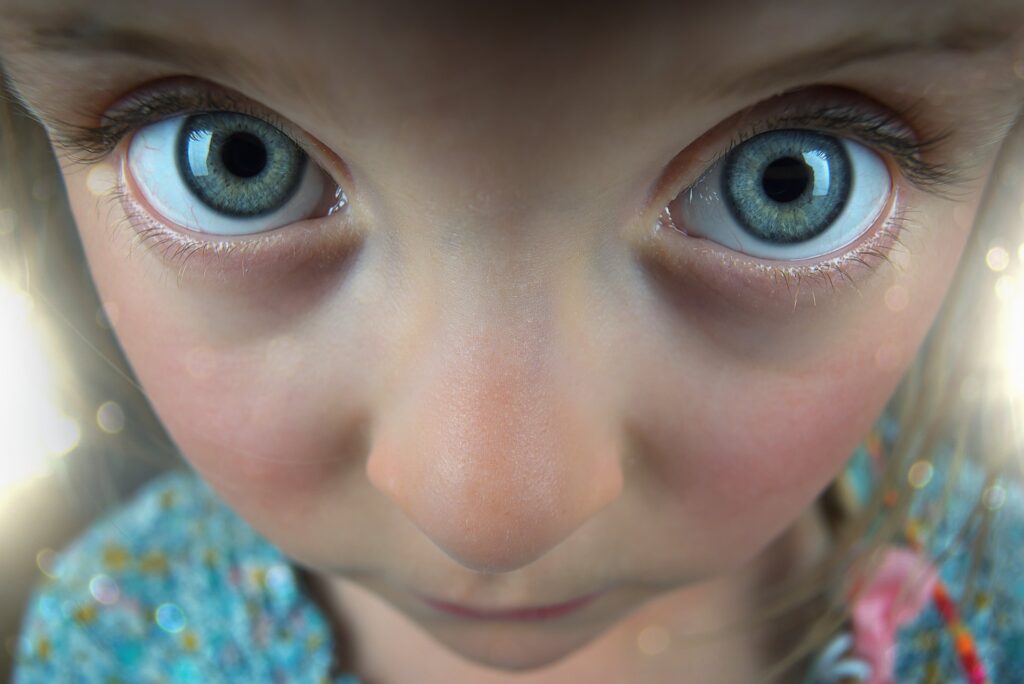
Why does looking at a screen affect a child’s vision? When children stare at a device, they engage in “near-work.” Their eye muscles remain in a fixed, tensed position to focus on objects just inches away. Over time, this constant strain can cause the eyeball to lengthen, leading to nearsightedness.
Furthermore, screen use often happens indoors under artificial lighting. Research suggests that natural light and focusing on distant objects (like looking across a large room or a park) are essential for healthy eye growth.
Signs Your Child Might Be Experiencing Eye Strain:
* Frequent Squinting: Trying to see distant objects more clearly.
* Rubbing Eyes: A sign of dryness or fatigue.
* Headaches: Often occurring after long gaming or study sessions.
* Sitting Too Close: Moving closer to the TV or holding books right against their face.
The “20-20-20” Rule and Other Healthy Habits
Protecting your child’s vision doesn’t mean banning screens entirely. It’s about creating healthy habits:
* The 20-20-20 Rule: Every 20 minutes, encourage your child to look at something 20 feet away for at least 20 seconds. This allows the eye muscles to relax.
* Screen Distance: Ensure tablets and phones are held at least 30-40 cm away from the face.
* Outdoor Time: Aim for at least 2 hours of daylight exposure daily. The brightness of natural light helps regulate eye growth.
* Prioritize Physical Play: Replace one hour of digital entertainment with an hour of active play.
Why Kids Arena Marbella is the Perfect “Eye Break”
One of the best ways to combat the negative effects of screen time is to get children into environments where they have to use their “far vision” and peripheral awareness. This is exactly what Kids Arena Marbella offers.
Our indoor active fun center is a vast, vibrant space designed for exploration. Unlike the static focus required for a tablet, our kids’ activities require children to:
* Scan the Environment: Navigating our multi-level play structures helps develop depth perception and peripheral vision.
* Track Moving Objects: Engaging in interactive play and games with peers helps with visual tracking skills.
* Focus at Varying Distances: Climbing and jumping require the eyes to constantly adjust focus, which is like a workout for the eye muscles.
Educational Adventures in a Safe Setting
At Kids Arena, we combine technology with physical movement. Our educational games use projection mapping and interactive sensors, meaning kids are still enjoying the “tech” they love, but they are doing it while moving their bodies and looking at larger surfaces from a distance—a much healthier alternative to a handheld screen.
Balance is the Key to Family Fun
Living in Marbella gives us access to beautiful weather, but on those days when you need a controlled, safe indoor activity, Kids Arena is your go-to destination. We provide a space where family fun doesn’t involve sitting on a couch.
By choosing active play at Kids Arena, you aren’t just giving your child a fun afternoon; you’re giving their eyes the vital break they need to grow strong and healthy.
Ready to trade the tablet for a real-life adventure? Visit www.kidsarena.es to explore our play zones and book your visit to the best indoor play center in Marbella!
Source This article is inspired by “Children’s Eyesight Is Getting Worse Due to Screen Time” from CNET. Read the original here: https://www.cnet.com/health/personal-care/childrens-eyesight-is-getting-worse-due-to-screen-time/